

With the increasing demand for extended shelf life of food products, Modified Atmosphere Packaging (MAP) has gained significant popularity. According to recent studies, over 70% of the global food industry utilizes MAP to maintain product freshness and reduce waste production. However, Modified Atmosphere Packaging leak detection is crucial to ensuring the effectiveness of this technique.
What is MAP?
Modified Atmosphere Packaging (MAP) is a technique used to extend the shelf life of perishable food products by altering the composition of gases within the packaging environment. It involves replacing the normal air inside a package with a controlled gas mixture that helps maintain the quality and freshness of the product.
The typical gases used in modified atmosphere food packaging include carbon dioxide (CO2), nitrogen (N2), and oxygen (O2). The specific gas composition depends on the type of product being packaged, as different foods have different requirements for optimal preservation. For example, MAP meat packaging utilizes a specific gas composition to enhance preservation. Fresh meat and poultry benefit from higher levels of carbon dioxide to inhibit bacterial growth, while fruits and vegetables require lower levels of carbon dioxide and higher levels of oxygen to prevent anaerobic respiration.
Types of Modified Atmposphere Packaging
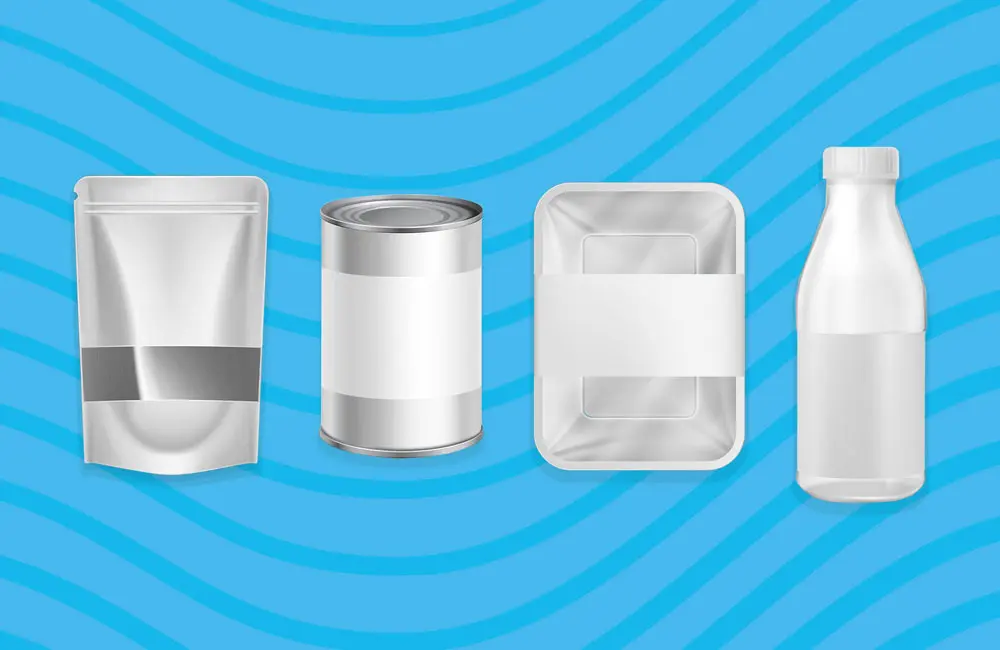
Modified Atmosphere Packaging (MAP) can be implemented using various types of packaging formats to suit different food products. Some common examples of MAP packaging types include:
- Pouches: Flexible pouches made of materials such as laminated films or barrier films are commonly used for MAP packaging. These pouches can be sealed with modified atmosphere inside to maintain the desired gas composition and create a protective barrier against oxygen. For example, grated cheese, minced meat and bake-off sandwiches.
- Trays and containers: MAP can be applied to rigid trays and containers made of materials like plastic or aluminum. These trays are often sealed with a film or lid to create a modified atmosphere and preserve the product’s quality and freshness. For example, minced meat and chicken.
- Cans: Metal cans, typically made of aluminum or tin-plated steel, can be used for MAP packaging. The cans are sealed to create a hermetic seal and maintain the desired gas composition, providing an extended shelf life for products like fruits, vegetables, and seafood.
- Bottles and jars: MAP can also be implemented in glass or plastic bottles and jars, commonly used for packaging products such as sauces, condiments, and beverages. The bottles or jars are typically sealed with caps or lids that maintain the modified atmosphere inside.
Modified Atmosphere Leak Detection
By carefully adjusting the gas composition inside the package, modified atmosphere food packaging aims to create an optimal environment that preserves the quality, ensures product safety, extends the shelf life, is cost efficient, and reduces waste of perishable food products. To ensure this, Modified Atmosphere Packaging leak detection is of essential purpose.
- Preserve product quality: MAP relies on maintaining a specific gas composition within the packaging to preserve the quality, taste, texture, and appearance of food products. Any leaks can disrupt this controlled atmosphere, allowing outside air to enter and affecting the intended preservation conditions. By modified atmosphere packaging testing, the desired gas composition can be maintained, ensuring optimal product quality.
- Ensure product safety: MAP packaging is also essential for ensuring food safety. Contamination from external sources, such as bacteria or pathogens, can occur through leaks in the packaging. MAP leak detection can help prevent the entry of harmful microorganisms, thereby safeguarding consumer health and reducing the risk of foodborne illnesses.
- Extends the shelf life: The purpose of MAP is to extend the shelf life of perishable food products. Leaks in the packaging can accelerate the spoilage process by allowing oxygen or other gases to enter, leading to microbial growth, oxidative reactions, and product deterioration. Effective leak detection enables timely intervention to preserve the desired gas composition, thereby maximizing the shelf life of the packaged products.
- Cost efficiency: Leaks in MAP packaging can result in financial losses for food producers and retailers. Modified Atmosphere Packaging leak detection early on helps identify and rectify issues before the products reach consumers, avoiding potential product recalls, customer complaints, and financial repercussions. It also ensures that the resources invested in MAP, such as specialized packaging materials and controlled gas mixtures, are effectively utilized.
- Reducing food waste: By maintaining the integrity of MAP packaging, the shelf life of perishable food products can be significantly extended. This, in turn, helps reduce food waste. Detecting leaks allows for corrective actions, such as repairing or replacing faulty packages, which minimizes the chances of premature product spoilage and unnecessary food waste.
Non-Destructive Modified Atmosphere Packaging Leak Detection
Modified Atmosphere Packaging leak detection is, therefore, crucial, and it can be achieved through several destructive and non-destructive methods. At Oxipack, we only develop non-destructive leak detection solutions for testing MAP, testing according to the vacuum decay method. Why? Non-destructive MAP leak detection provides a balance between maintaining the product integrity, cost-effectiveness, waste reduction, and efficient quality control, making it a preferred choice for evaluating the integrity of MAP packaging.
Would you like to learn more about the solutions we offer for your MAP packaging? Please contact us for further information.


