
Thermoformed
packaging
leak test
Thermoformed packaging, widely used in food and pharmaceutical industries due to its versatility and cost-effectiveness, involves shaping thermoplastic materials into specific forms. However, ensuring leak-free thermoformed packaging is crucial to maintain product quality and safety. Non-destructive leak detection techniques play a vital role in identifying potential leaks without compromising the packaging, enabling manufacturers to take corrective actions and deliver reliable and safe products to the market.
Thermoformed packaging type
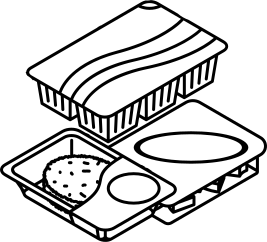
Thermoformed packaging is a type of packaging manufacturing process that involves heating a sheet of thermoplastic material until it becomes pliable and then forming it into a specific shape using a mold. The process is called thermoforming packaging because it utilizes heat (thermo) to shape the material (forming). Thermoformed packaging can create packaging containers, trays, blister packs, clamshells, cups, lids, and other custom shapes.
Why thermoformed packaging must be leak tight
Thermoformed packaging must be leak tight for preserving product quality, extending shelf life, ensuring product safety, complying with regulations, and enhancing customer satisfaction. Non-destructive leak detection plays a vital role in ensuring this. Although non-destructive leak detection and thermoformed packages may not appear directly linked, they hold significant importance in specific packaging applications.
- Leak detection in thermoformed packaging: Thermoformed packaging are commonly used to protect and showcase products. If leaks occur in these packages, it can compromise the shelf life of the product or jeopardize its safety. Non-destructive leak detection methods can be applied to identify any leaks or imperfections in the packaging without damaging it.
- Leak detection in packaged products: Non-destructive leak detection can also be used to identify leaks in the packaged product itself, such as in food packaging, pharmaceuticals, or chemicals. This is crucial to prevent spoiled or damaged products from reaching the market and helps maintain product quality and safety.
- Quality control and packaging inspection: Thermoformed packaging must meet certain quality standards to ensure functionality and effectiveness. Non-destructive leak detection can be part of the quality control process to ensure that the packages are leak-free and meet the required specifications.
Oxipacks’ solutions for thermo packaging
Ensuring leak-free thermoformed packaging is of utmost importance for maintaining product quality and safety in the food and pharmaceutical industries. Non-destructive leak detection techniques play a vital role in identifying potential leaks without compromising the packaging’s integrity. At Oxipack, we recognize the significance of this aspect and have developed advanced non-destructive leak testers tailored for different types of thermoformed packages. Our non-destructive leak testers are able to test thermoformed food containers and pharmaceutical packages.
Stationary Leak Tester XS and M
We have developed different solutions for different types of thermoformed packs. The Stationary Leak Tester XS and Stationary Leak Tester M are specially designed to insert a custom mold in the exact shape of the thermo packaging, such as for trays of nuts, ready-to-eat meals or coffee cups.
Our machines can be used for sample testing and in-line leak detection. Please contact us to discover the right solution for your thermoformed packaging.
Stationary Leak Tester M
The benefits of thermoformed packaging
Thermoformed packaging offers numerous benefits, making it a popular choice in various industries. Thermoformed packaging benefits include:
- Cost-effectiveness: Thermoforming is a relatively low-cost manufacturing process compared to other packaging methods. The tooling and equipment used in thermoforming are generally more affordable, making it an attractive option for companies seeking cost-effective packaging solutions.
- Versatility: Thermoformed packaging can be customized to meet specific design requirements. It allows for a wide range of shapes, sizes, and configurations, making it suitable for various products, from small consumer items to larger industrial components.
- Lightweight: Thermoformed food containers and other thermoformed packages are lightweight, which helps reduce shipping costs and environmental impact. The lightweight nature also makes handling and transport easier for end-users and retailers.
- Transparency and Visibility: Thermoformed materials, such as clear plastics, provide excellent visibility of the packaged products. This is particularly beneficial for retail packaging, as it allows customers to view the contents of the package before making a purchase, enhancing product visibility and attractiveness.
- Product Protection: Thermoformed packaging offers effective protection against physical damage, dust, and moisture. It can provide a secure barrier, preserving the quality and freshness of perishable items like food and pharmaceutical products.
- Recyclability: Many thermoformed packaging materials, such as PET (polyethylene terephthalate) and HDPE (high-density polyethylene), are recyclable. This promotes sustainability and aligns with environmental goals.
- Production Efficiency: Thermoforming is a relatively fast production process, enabling high-volume manufacturing with short lead times. This efficiency is advantageous for meeting tight production schedules and maintaining a steady supply chain.
- Product Safety: Thermoformed packaging materials are generally non-toxic and compliant with food safety regulations, making them suitable for packaging food and pharmaceutical products.