
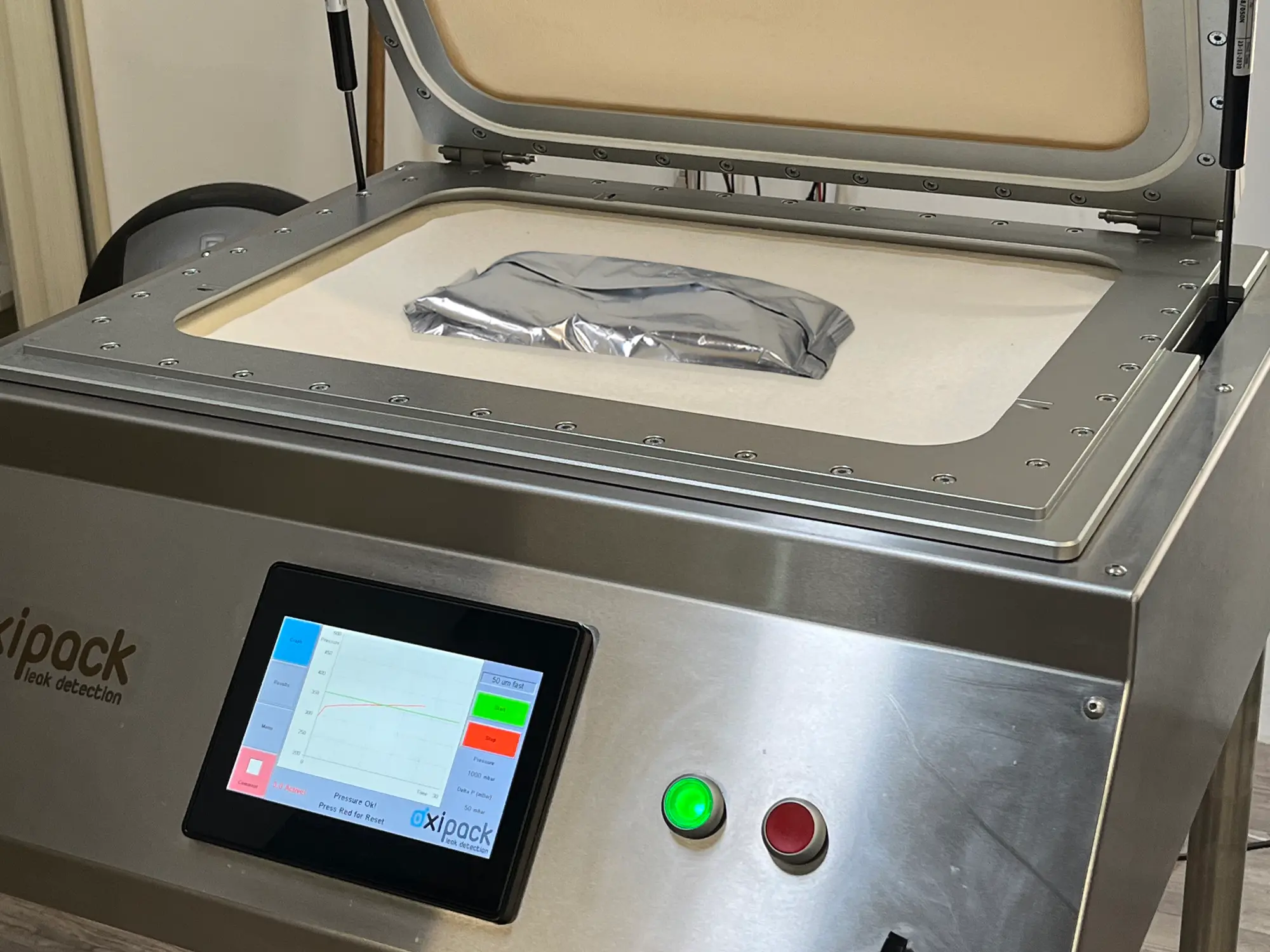

Operational Acceptance Testing (OAT) in the packaging industry refers to the process of testing the packaging system or machine to ensure that it meets the required standards for operational use in the actual production environment. OAT is typically performed after the packaging system has passed all functional testing and is considered feature complete.
In the packaging industry, OAT typically involves testing the packaging machine’s ability to handle different types of packaging materials, its speed and accuracy, and its ability to handle different production volumes. This includes testing the machine’s software and hardware components to ensure that they operate as intended.
OAT Operational Acceptance Testing may also involve testing the packaging’s ability to maintain its integrity during transportation and storage, and its ability to prevent product contamination or spoilage. This may include leak detection testing to verify that the packaging can withstand expected stresses and handling conditions.
Operational Acceptance Testing procedure
But how does such a process actually work? The Operational Acceptance Testing procedures in the packaging industry can vary depending on the packaging system or machine being tested and the requirements of the packaging.
The operational acceptance testing procedure consists of the following steps:
- Define acceptance criteria: Define the acceptance criteria or standards that the packaging system or machine needs to meet, including the required levels of accuracy, reliability, and performance.
- Plan and prepare for testing: Plan and prepare for testing by setting up the packaging system or machine in a test environment that simulates real-world operating conditions. This includes preparing the necessary testing scenarios and creating a test plan that outlines the testing procedures and expected outcomes.
- Perform functional testing: Functional testing is performed to ensure that the packaging system or machine is operating as intended and that it meets the defined acceptance criteria. This includes testing each component and feature of the system, verifying that it functions correctly, and ensuring that it meets the performance standards set forth in the acceptance criteria.
- Perform non-functional testing: Non-functional testing is performed to ensure that the packaging system or machine can handle the expected workload and can operate under various conditions. This includes testing the system’s performance under high-volume production scenarios, testing the system’s ability to handle various types of packaging materials, and testing the system’s ability to recover from errors and failures.
- Perform leak detection testing: Leak detection testing is performed to ensure that the packaging can maintain its integrity and prevent product contamination or spoilage. This may involve specialized equipment such as our non-destructive leak testing solutions.
- Record and report results: Document any issues or defects found during testing and report the results. Include a detailed summary of the testing procedures, results, and any actions taken to improve the system’s performance.
The importance of Operational Acceptance Testing
By ensuring the functionality, quality, compliance, and cost-effectiveness of the packaging, companies can minimize the risk of product damage or failure during transportation and storage, reduce the risk of costly recalls and reputational damage, and improve customer satisfaction. In addition, complying with relevant regulations and standards is crucial for avoiding fines and penalties and maintaining a good standing in the industry. Overall, effective Operational Acceptance Testing is essential for ensuring the reliability, safety, and effectiveness of the packaging system and the products it contains.
The added value of leak detection to OAT
Leak detection can help identify any leaks or defects in the packaging before it is used in production. This allows manufacturers to address any issues before they become larger problems, such as product recalls or customer complaints. Additionally, our leak testing solutions can help to identify any weaknesses or vulnerabilities in the packaging design, allowing manufacturers to improve the packaging materials and design to prevent future leaks.
Operating in the food and beverage, pharmaceutical, cosmetic or electronic industry? Our leak detection solutions are useful in a crucial step of the OAT procedure, and we already have a lot of experience in this area. An operational acceptance testing example, where our expertise and devices have been used, is explained in our case about leak testing paper-based packaging. We are experiencing an increasing trend towards paper-based and biodegradable packaging, where OAT is also crucial to design a leak-proof packaging before it hits the market. Of course, any type of packaging can be tested in the development phase using one of our non-destructive leak detection solutions.
Please contact us for more information on how our solutions can add value to your operational acceptance testing procedures.


