
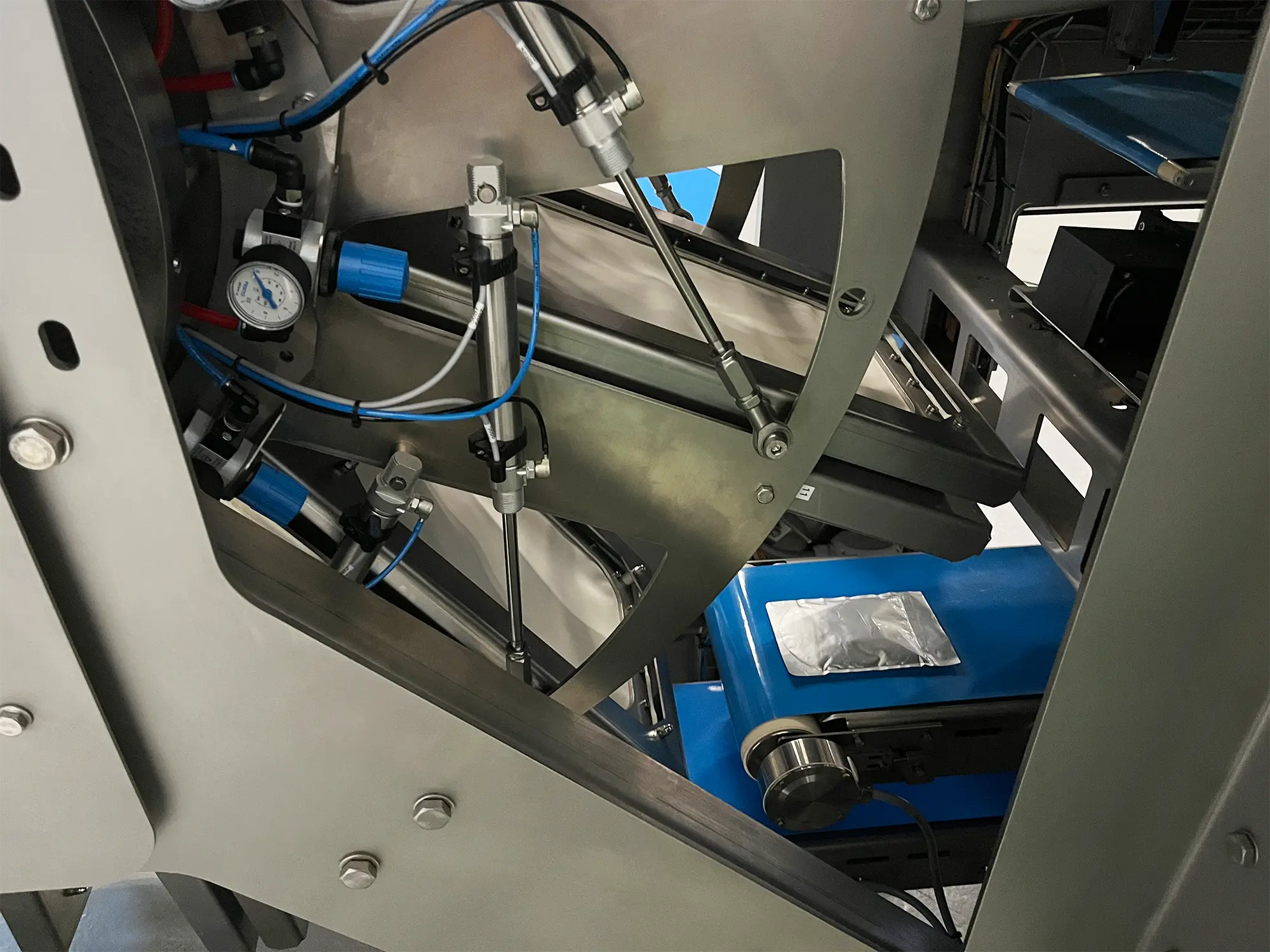

The packaging industry plays a crucial role in protecting and preserving products during transportation and storage. To ensure that the products reach the customers in good condition, the packaging industry must follow strict quality control processes. In recent years, the industry has undergone a transformative shift by embracing automation to enhance the quality control process and meet the ever-growing consumer demands. This paradigm shift has given rise to a range of methods for assessing package quality, including both destructive and non-destructive, manual and automated quality control techniques. We delve into the remarkable advantages of non-destructive automated quality control systems.
The Advantages of Automated Quality Control
- Consistency: Automated quality control systems exhibit a remarkable level of consistency and precision, eliminating the variability that can occur with manual inspections due to differences in human performance and attention.
- Comprehensive testing: In contrast to random sampling, automated quality control testing machines can meticulously examine the entire production line, ensuring that every package is scrutinized. This comprehensive approach significantly mitigates risks, as it guarantees that all moving packages have undergone testing and are impervious to leaks.
- Data analysis: An automated quality management system can collect and analyze large amounts of data in real-time, providing insights into production processes and identifying potential quality issues before they become more substantial problems.
- Faster intervention: Leveraging the power of data analysis, automatic quality control systems facilitate swift interventions in the event of any anomaly. This translates to reduced production downtime, sparing 30-60 minutes that would otherwise be lost in reconfiguring processes or repackaging products.
- Economical labor utilization: Automated quality inspection leak testing streamline labor requirements compared to standalone machines. This efficiency not only curtails labor costs but also enhances overall operational efficiency.
- Scalability: The innate scalability of automated quality control systems renders them exceptionally suited for dynamic production environments with fluctuating demands. This adaptability makes them a prime choice for high-volume manufacturing settings.
Implementing Automated Quality Management Systems
Through the integration of automated quality management systems, companies can revolutionize their production processes. Non-destructive quality control techniques curtail wastage and heighten customer satisfaction, contributing to sustained success and profitability.
In-Line Quality Control Machine
At Oxipack, we specialize in the development of non-destructive manual quality control machines (stand-alone) as well as tailor-made automated quality control machines (in-line). The key distinction between these two approaches lies in labor requirements, with stand-alone testers necessitating manual labor, while in-line leak testing is fully automated quality control.
Automated quality control systems are a major investment, but they also have many advantages. Wondering what we recommend for your production line? Feel free to contact us.


